


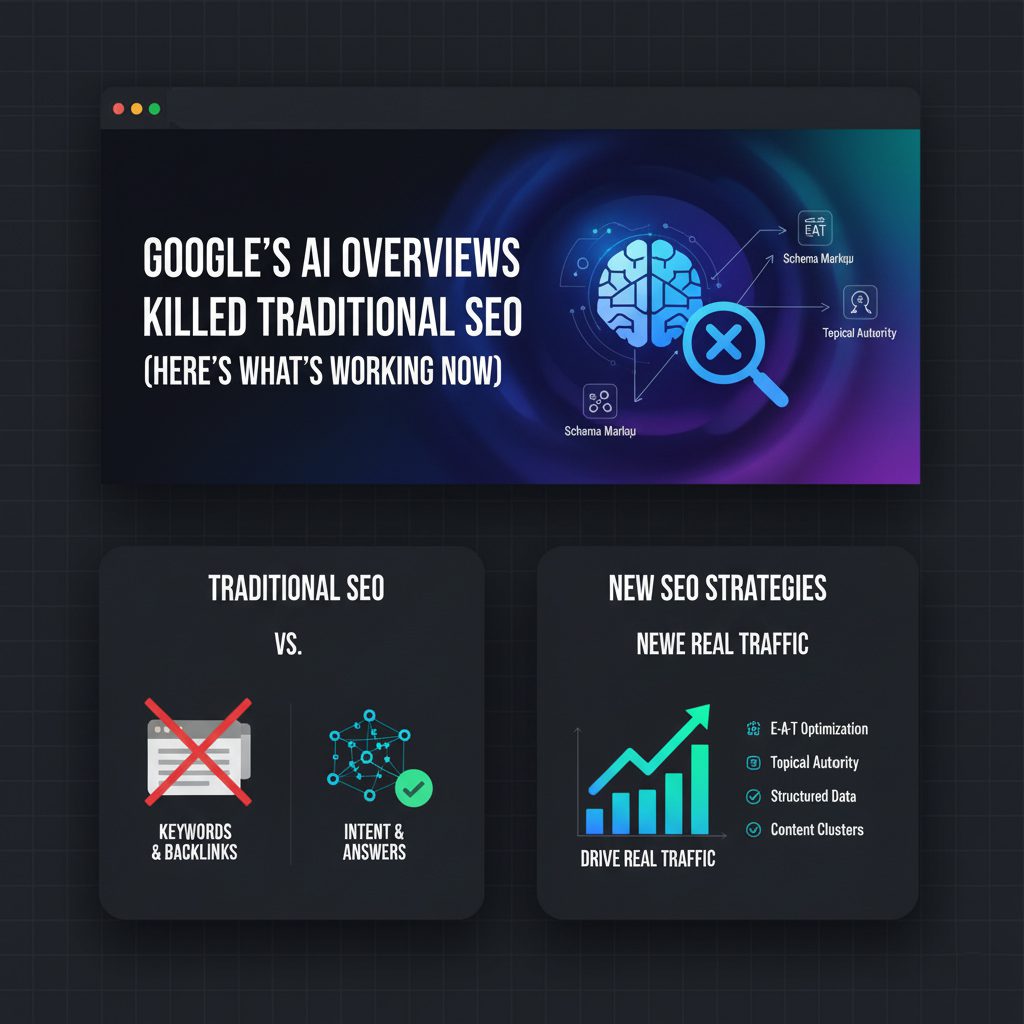
The SEO Playbook That Actually Works After Google’s AI Revolution
Traditional SEO died on May 14, 2024, when Google rolled out AI Overviews to everyone. Overnight, position one became meaningless—AI summaries now answer questions before users even see traditional results. Ahrefs data shows organic clicks dropped 25% for informational queries. But here’s the twist: smart sites are getting more valuable traffic than ever. They just changed their entire approach.
The shift happened gradually, then suddenly. First, featured snippets started answering more queries directly. Then came SGE (Search Generative Experience) in beta. By the time AI Overviews launched publicly, savvy SEOs had already adapted. They recognized that competing for “what is” and “how to” keywords was a losing game. AI could summarize that content instantly, making the original source irrelevant. Instead, they focused on queries AI couldn’t fully answer: personal experiences, recent events, local insights, and complex decision-making scenarios.

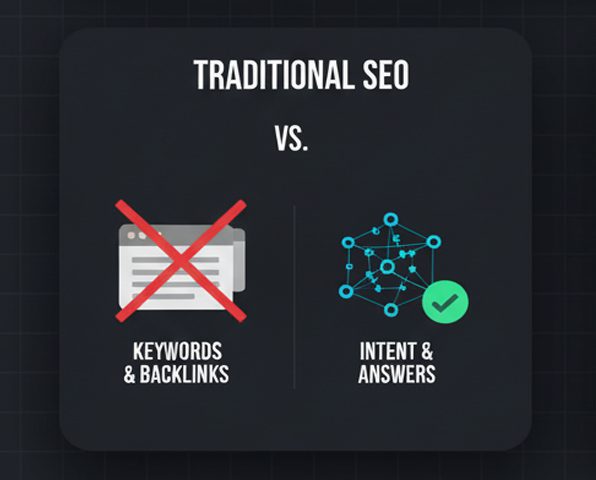
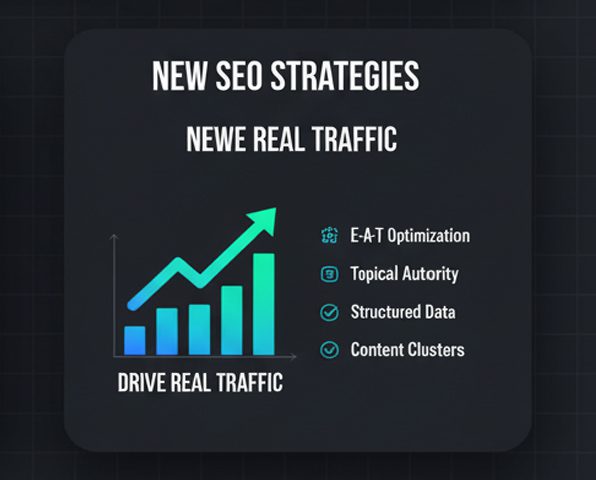
The winners focused on what AI can’t do: provide fresh experiences, original data, and genuine expertise. Instead of chasing “what is” keywords, they own “how I” and “my experience” queries. They create content so specific and valuable that AI systems must cite them as sources. Backlinko’s latest case study shows this approach driving 40% more conversions despite lower overall traffic. Brian Dean’s team shifted from comprehensive guides to case studies and original research. Result? Their average session value increased by 67%.
Search Engine Journal documented the new winning formula: EEAT on steroids. Experience, Expertise, Authoritativeness, and Trustworthiness aren’t just ranking factors—they’re survival requirements. Sites that showcase real author credentials, publish original research, and include verifiable case studies see their content cited in AI responses. This creates a virtuous cycle: AI citation drives credibility, which drives direct traffic, which signals quality to Google.
The new rules are simple but brutal. Become the primary source, not the summary. Create content AI wants to reference, not replace. Focus on commercial intent keywords where users need human expertise. Build topical authority so deep that AI systems recognize you as the definitive source. Most importantly, stop writing for algorithms and start solving real problems. Because when AI handles basic questions, only genuinely helpful content survives. The sites thriving in 2025 aren’t trying to rank—they’re trying to help. The rankings follow naturally.